What Is the Best Fence for Your Property? A Complete Comparison Guide
Choosing the best fence for your Tennessee home is about more than appearance. The right fence should fit your budget, provide the level of privacy or security you need, complement your home’s style, and withstand your local climate.
With so many fencing materials available, it can be difficult to know where to start. This guide compares the most popular residential fence options so you can make an informed decision before investing in a new fence.
Quick Comparison: Which Fence Is Right for You?
| Fence Material | Average Lifespan | Maintenance | Privacy | Security | Average Cost | Best For |
|---|---|---|---|---|---|---|
| Wood | 15 to 25 years | Moderate to High | Excellent | Good | $$ | Privacy, traditional homes |
| Vinyl | 30 to 50 years | Very Low | Excellent | Good | $$$ | Low-maintenance homeowners |
| Aluminum | 30 to 50+ years | Very Low | Low | Good | $$$ | Decorative fencing, pools |
| Chain Link | 20 to 30 years | Low | Low | Good | $ | Budget-friendly security |
| Ornamental Iron | 50+ years | Moderate | Low | Excellent | $$$$ | Luxury homes, security |
| Composite | 30 to 40 years | Very Low | Excellent | Excellent | $$$$ | Premium privacy fencing |
1. Wood Fencing
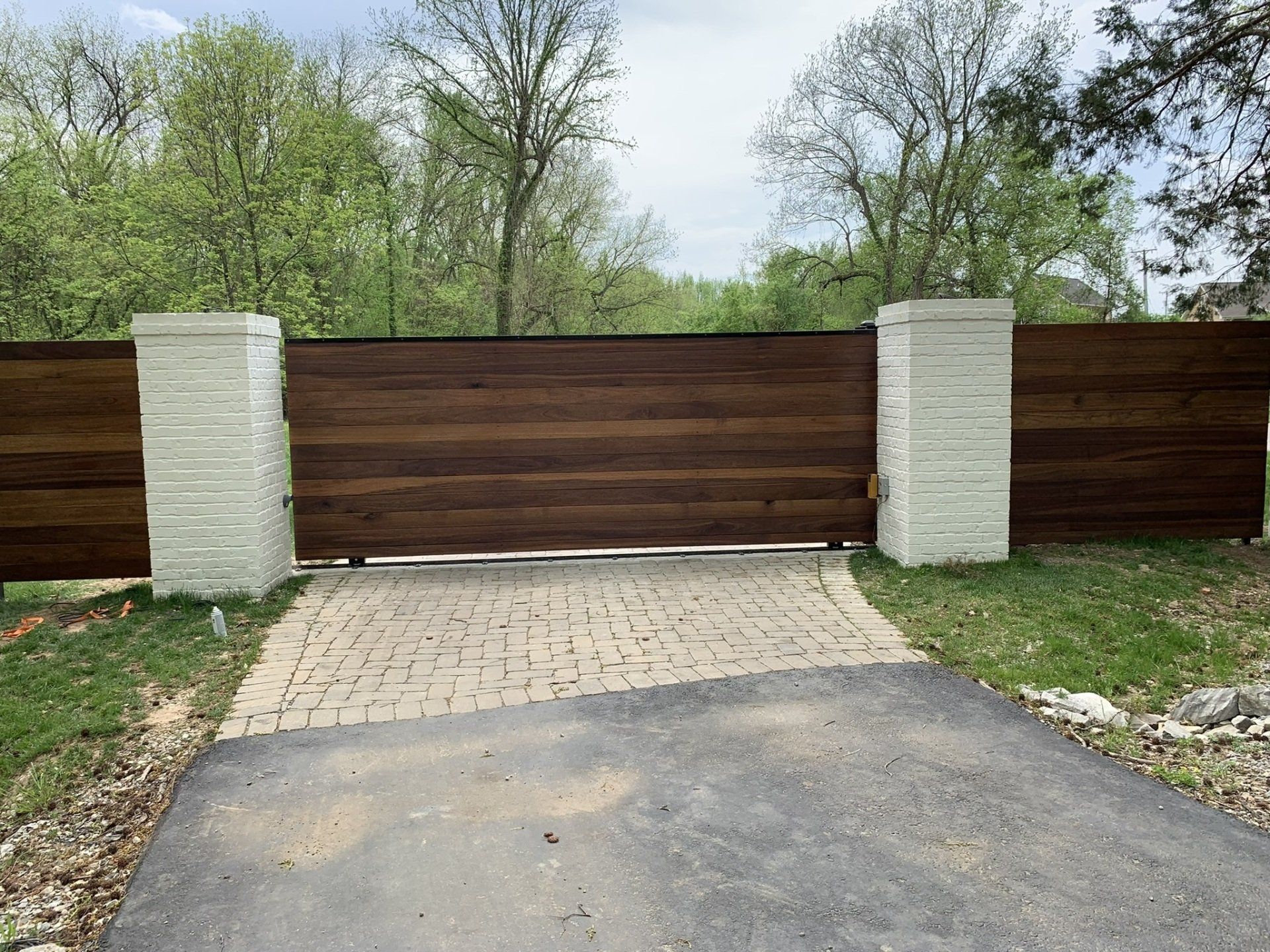
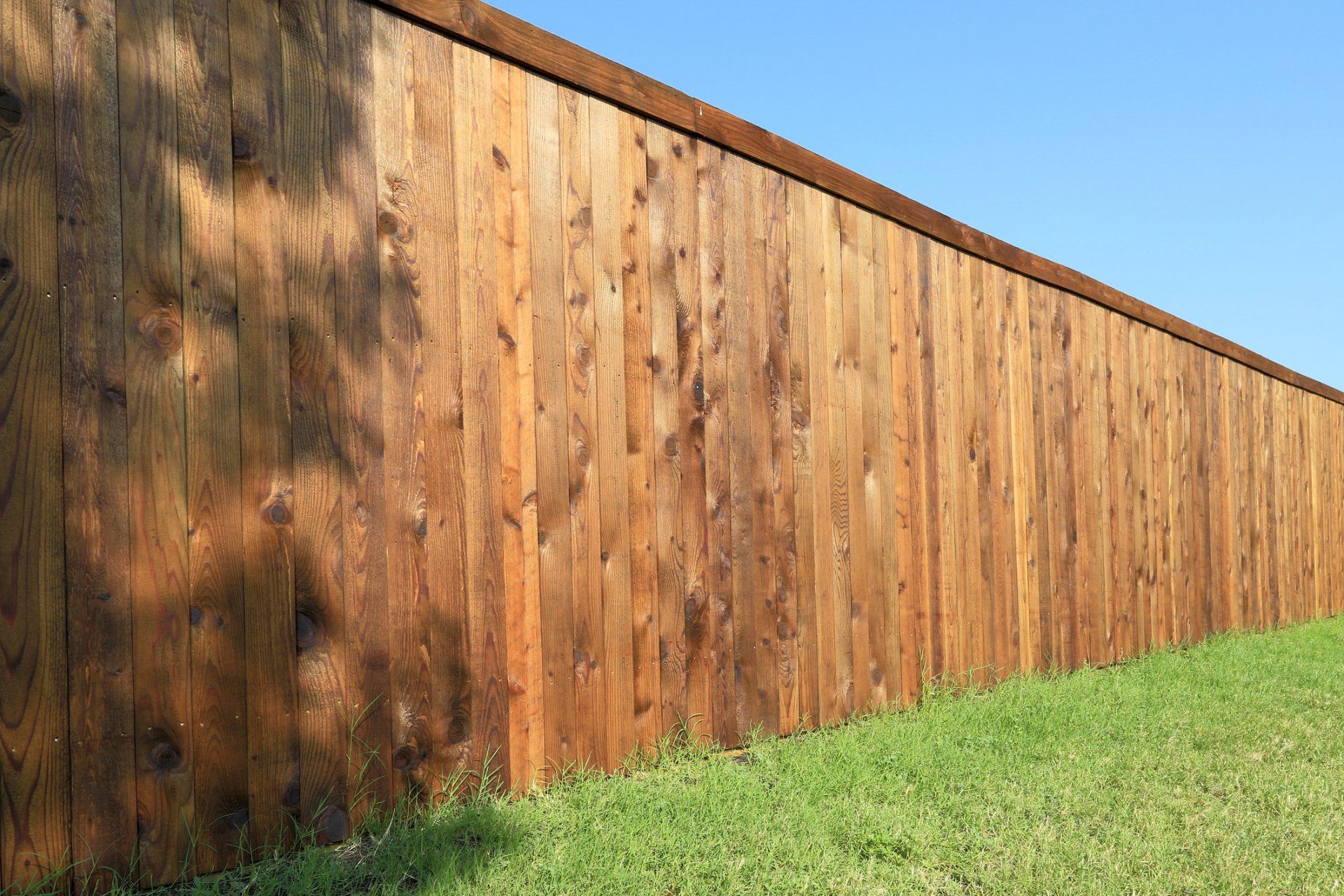
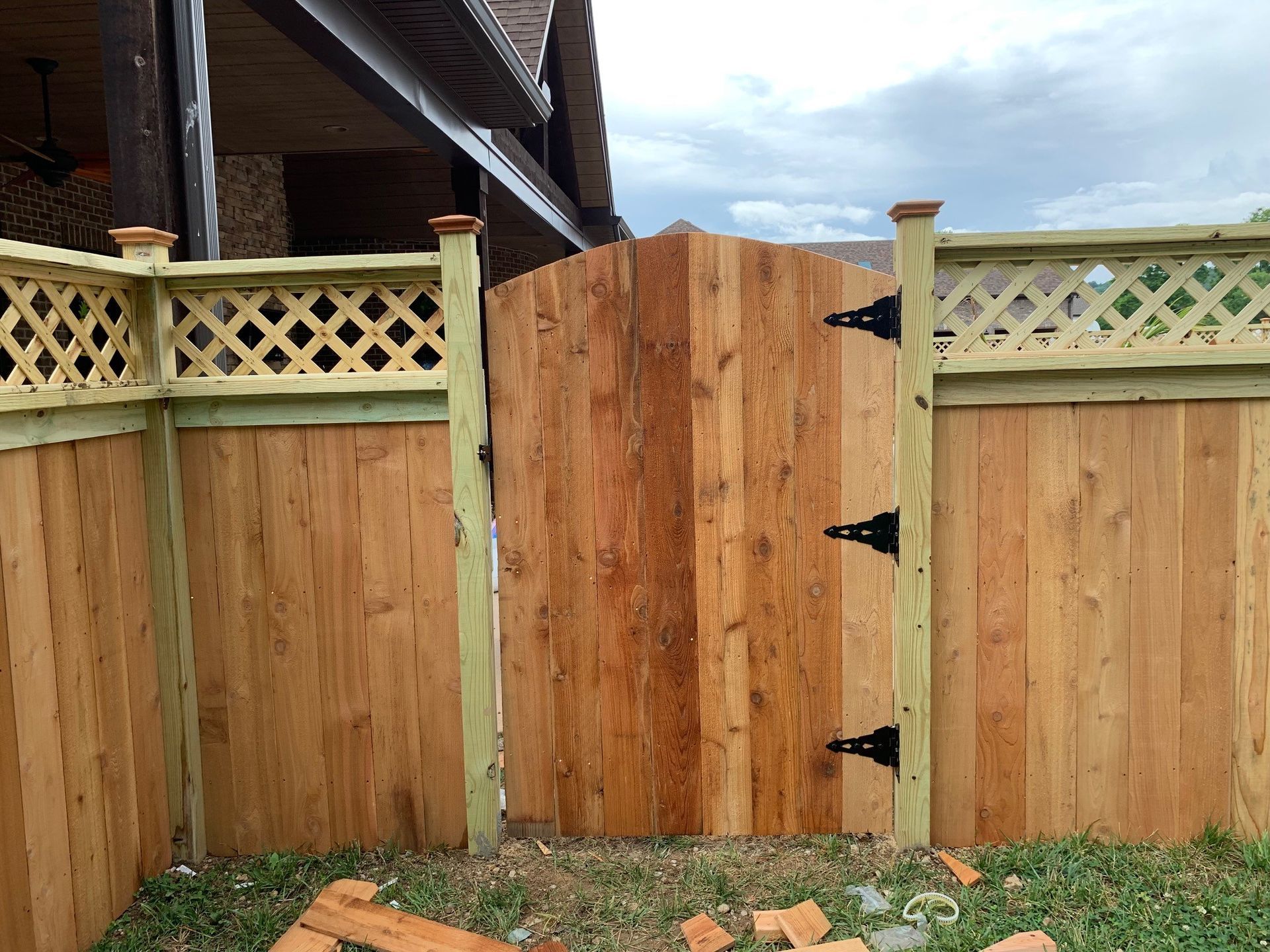
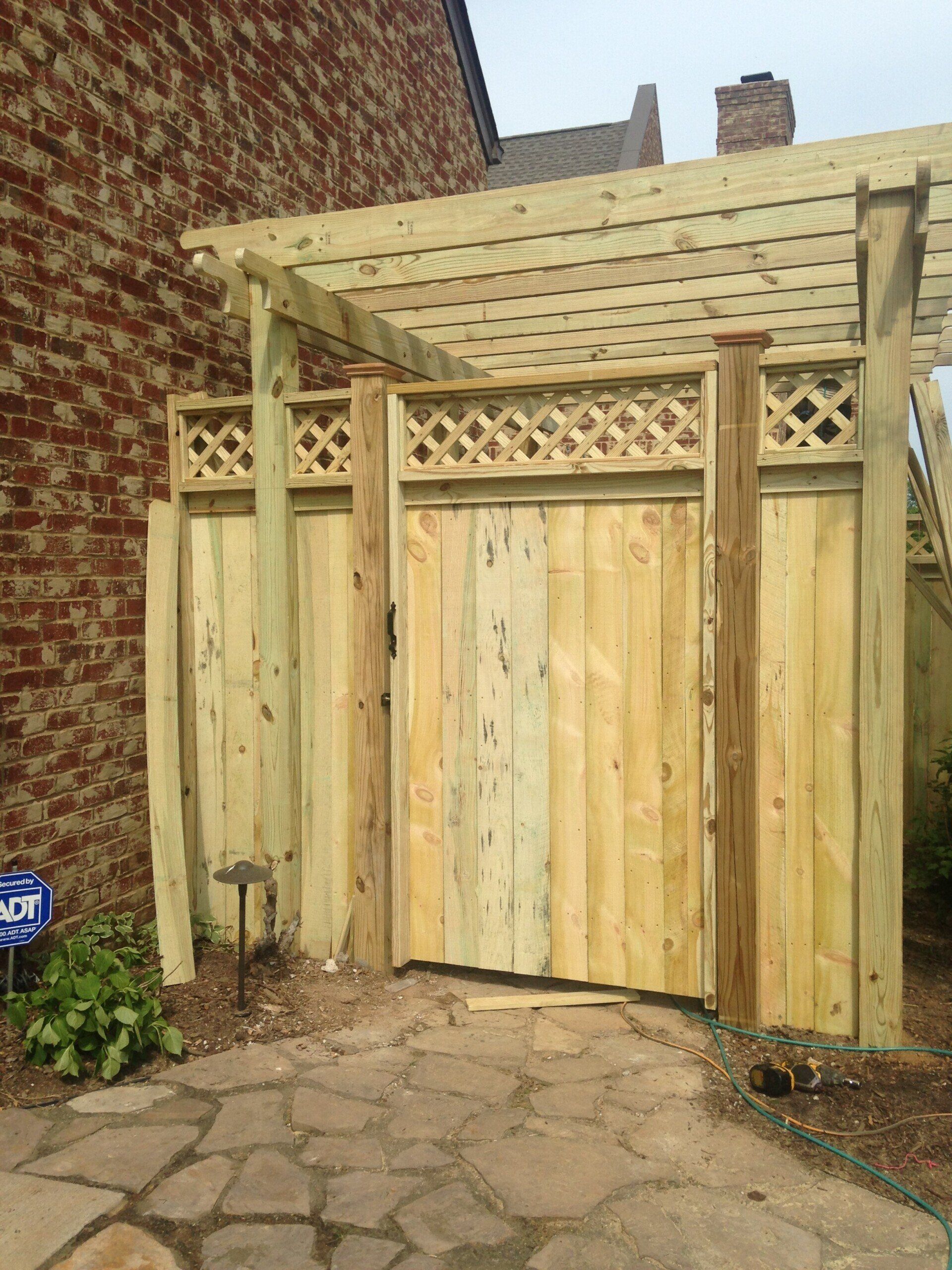
Wood remains a popular choice for homeowners who want a classic look and flexible design options. Cedar, pine, and pressure-treated pine each offer different price points and resistance to rot. A well-built wood fence delivers strong privacy and blends naturally with landscaping.
Advantages
• Excellent privacy
• Classic appearance
• Can be stained or painted
• Easy to customize
• Available in many styles
• Lower upfront cost than many premium materials
Disadvantages
• Requires regular staining or sealing
• Susceptible to rot if not maintained
• Can warp or crack over time
• Insects may damage untreated wood
Best Applications
• Backyard privacy
• Family homes
• Pet containment
• Traditional architecture
• Decorative landscaping
Maintenance
Inspect annually. Clean every year and stain or seal every 2 to 4 years depending on weather exposure.
2. Vinyl Fencing
Vinyl fencing appeals to homeowners who want a clean, low-maintenance option. The material resists rot, insects, and fading, and it never needs painting or staining. A simple hose-down keeps it looking new.
Advantages
- Never needs painting
- Resistant to insects and rot
- Easy to clean
- Long lifespan
- Available in many colors and styles
Disadvantages
- Higher initial investment
- Difficult to repair individual sections
- Extreme impacts may crack panels
- Best Applications
- Privacy fences
- Family homes
- HOA communities
- Homes with busy lifestyles
Maintenance
Wash occasionally with water and mild soap. No staining or painting required.
3. Aluminum Fencing
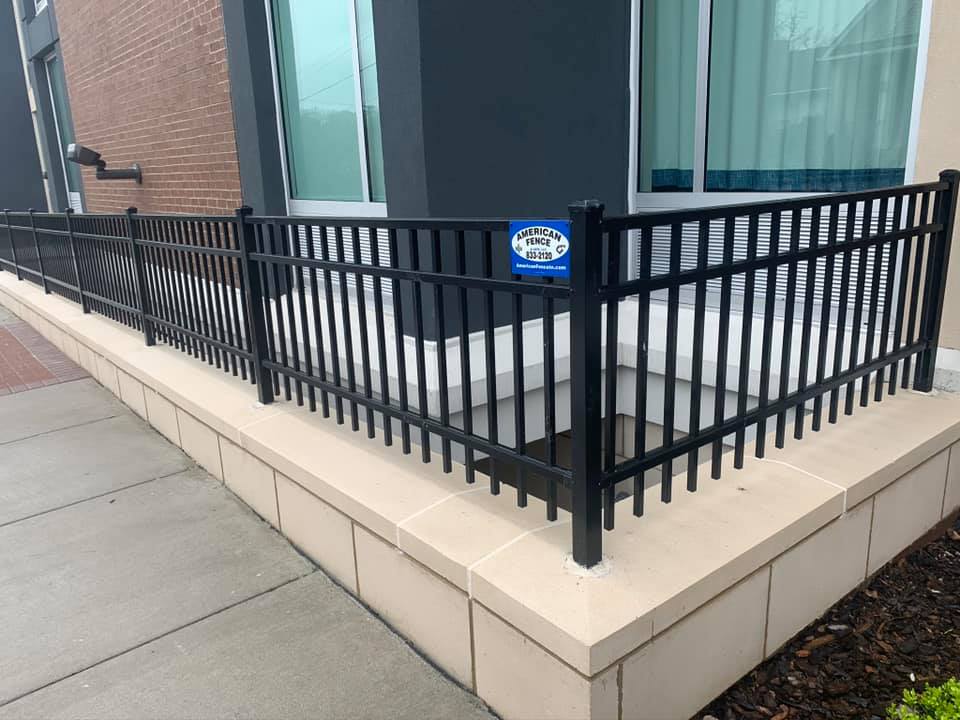
Aluminum fencing gives properties an elegant, ornamental look without the rust concerns of traditional iron. The material works well for pool enclosures, front yards, and properties where visibility and security both matter.
Powder-coated aluminum resists corrosion and holds its color for years. Aluminum panels come in many styles, from simple picket designs to decorative patterns that match historic or upscale homes.
Lifespan:
20 to 30 years.
Cost:
Moderate to high, depending on style.
Best for:
Pool areas, front-yard security, and homeowners who want style with minimal upkeep.
4. Chain Link Fencing
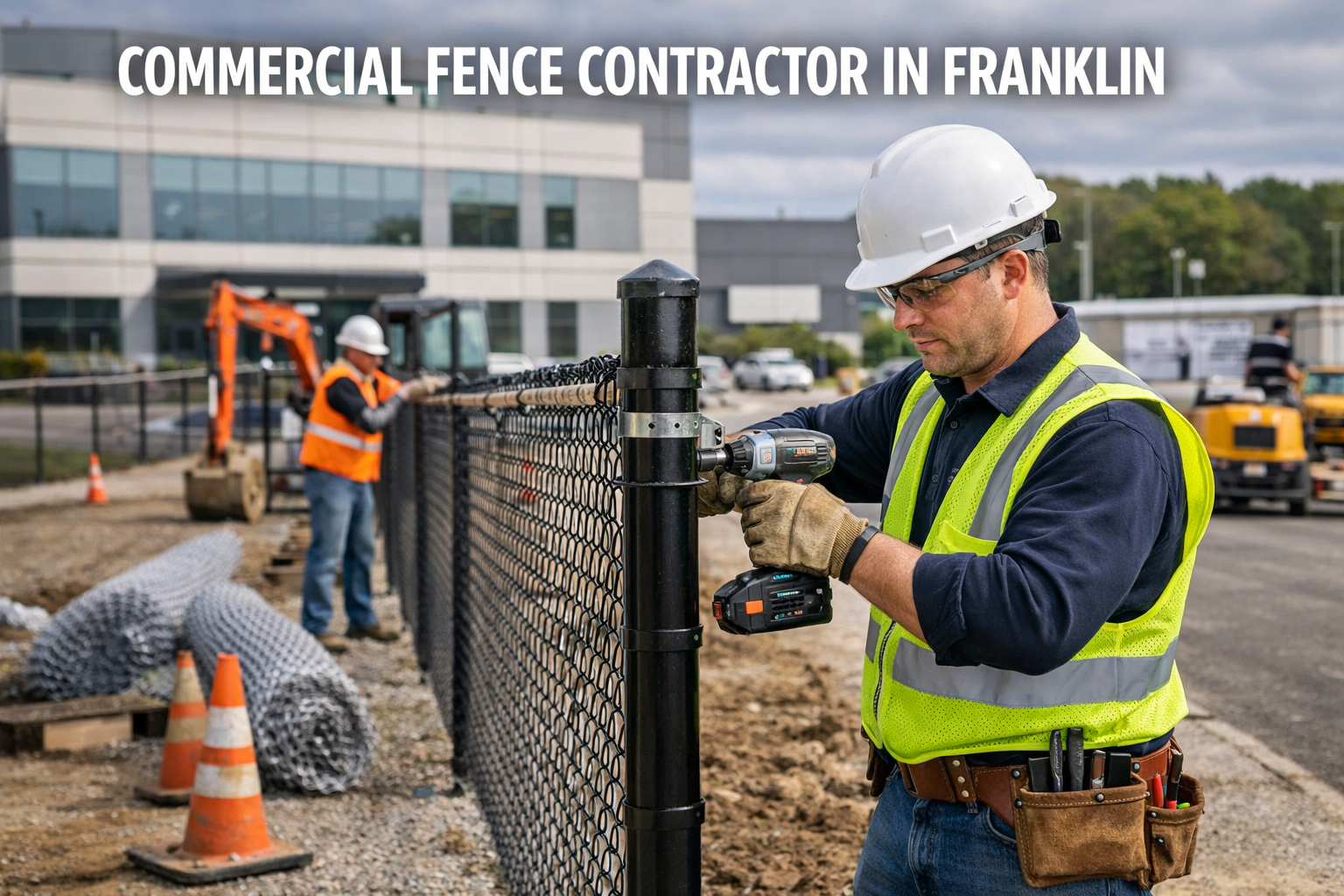
Chain link fencing delivers the lowest upfront cost among common fence materials. Property owners choose chain link for functional needs like containing pets, marking boundaries, or securing large areas of land.
Vinyl-coated chain link resists rust better than galvanized options and lasts longer in wet climates. Chain link offers little privacy, so many homeowners pair it with landscaping or privacy slats.
Lifespan:
15 to 20 years.
Cost:
Lowest of all fence materials.
Best for:
Budget-conscious projects, pet containment, and large commercial properties.
5. Ornamental Iron Fencing
Ornamental iron fencing offers a strong, formal appearance suited to upscale homes, historic properties, and commercial entrances. Iron fences signal security and permanence, and custom designs add curb appeal that few other materials match.
Iron requires periodic rust treatment and repainting to stay in top condition, particularly in humid regions. Many homeowners choose powder-coated steel as a lower-maintenance alternative with a similar look.
Lifespan:
20 plus years with maintenance.
Cost:
High.
Best for:
Formal entrances, historic homes, and properties that prioritize appearance and security together.
6. Composite Fencing
Composite fencing combines wood fibers with recycled plastic to create a material that resists rot, insects, and fading. Composite panels mimic the look of natural wood while cutting down on maintenance.
The material costs more than wood or vinyl but appeals to homeowners who want a natural appearance without the upkeep. Composite fencing works well in yards with heavy moisture exposure or shade.
Lifespan:
25 to 30 years.
Cost:
High.
Best for:
Homeowners who want the look of wood with less maintenance.
Fence Material Comparison at a Glance
- Wood: Traditional look, moderate cost, highest maintenance.
- Vinyl: Low maintenance, high durability, higher upfront cost.
- Aluminum: Elegant style, strong durability, moderate to high cost.
- Chain Link: Lowest cost, functional, minimal privacy.
- Ornamental Iron: Formal appearance, high cost, moderate maintenance.
- Composite: Natural look, low maintenance, highest material cost.
How to Choose the Right Fence for Your Property
Start with your main goal. Privacy points toward wood, vinyl, or composite. Security and curb appeal point toward aluminum or ornamental iron. Budget-driven pet containment or property marking points toward chain link. Consider your climate, HOA rules, and long-term maintenance plans before making a final decision.
Our team at American Fence & More helps homeowners across Middle Tennessee weigh these factors and select materials suited to their property. Commercial property owners and property managers can review options built for durability and security through our Commercial Fences services.
Frequently Asked Questions
What is the most durable fence material?
Vinyl and composite fencing offer the longest lifespans with the least maintenance, often lasting 25 years or more.
What is the cheapest fence option?
Chain link costs the least to install and works well for pet containment and boundary marking.
Which fence adds the most curb appeal?
Ornamental iron and aluminum fencing typically add the most visual value to a front yard or commercial entrance.
Do I need a permit to install a fence?
Many Tennessee municipalities require a permit, and some neighborhoods have HOA restrictions on height and material. Check local rules before starting a project.
Get Expert Guidance for Your Fence Project
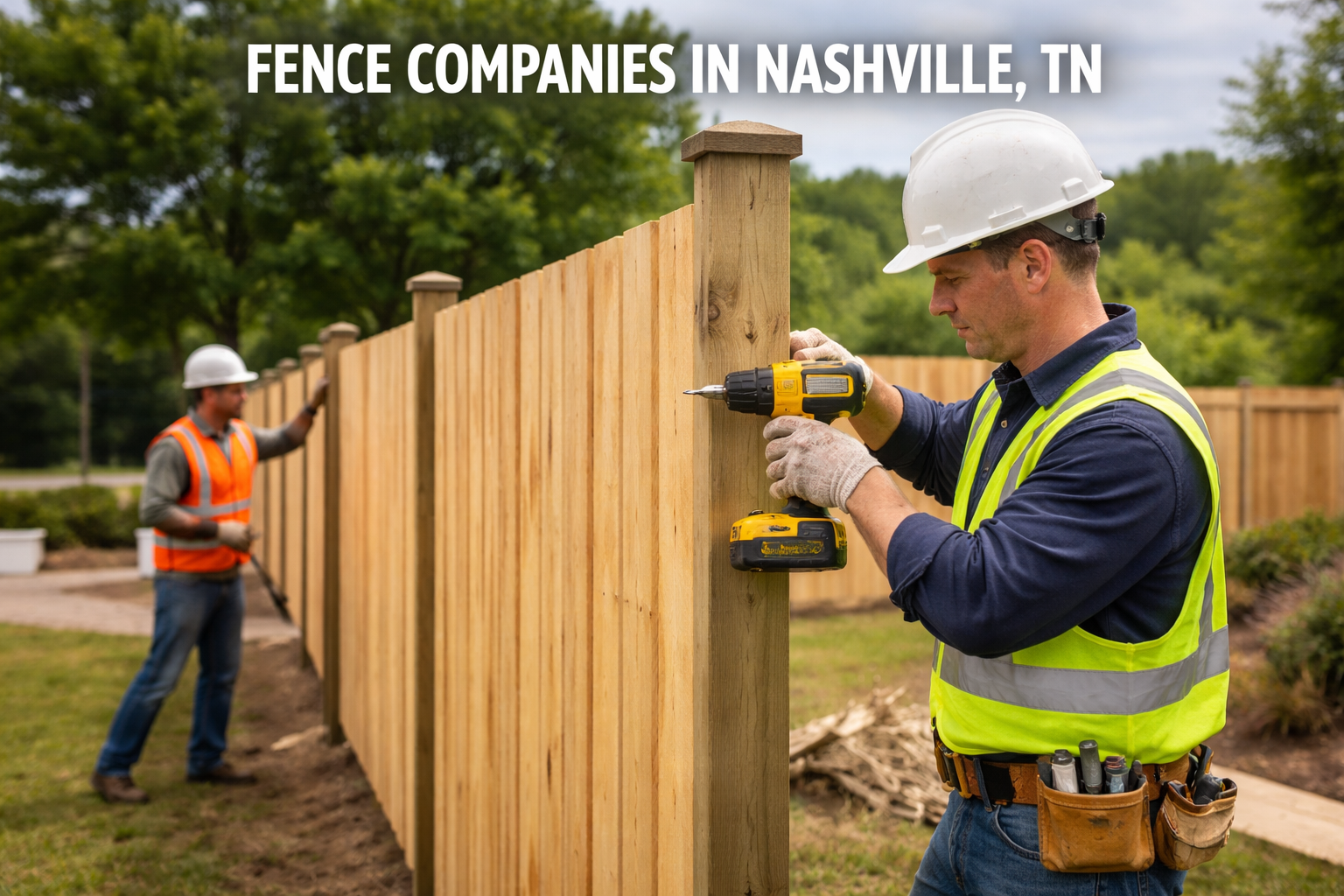
Selecting the right fence depends on your property, your budget, and your long-term goals. American Fence & Gate installs residential and commercial fencing across the Nashville, Franklin, and Brentwood area with materials built to last. Contact our team for a free estimate and honest recommendations based on your property.