How Soil Composition and Ground Stability Influence Long-Term Fence Performance
Have you ever noticed how a fence that looked perfectly straight during installation slowly begins to lean, shift, or sag over time? It’s a surprisingly common issue, and in many cases, the real problem isn’t the fence at all. The issue often starts beneath the surface, with something most property owners rarely think about: soil composition and ground stability. Think of it this way: no matter how strong the materials are, a structure is only as reliable as the ground supporting it. If the soil expands, contracts, shifts, or holds excess moisture, the fence posts anchored into it will eventually respond to those changes.
Clay soils swell during wet seasons, sandy soils may loosen under pressure, and poorly compacted ground slowly causes posts to tilt. Over time, these underground movements turn a solid fence line into a maintenance headache. This is where a little technical understanding makes a big difference. Because experienced professionals know that long-lasting fencing systems begin with evaluating what lies below the surface.
A knowledgeable
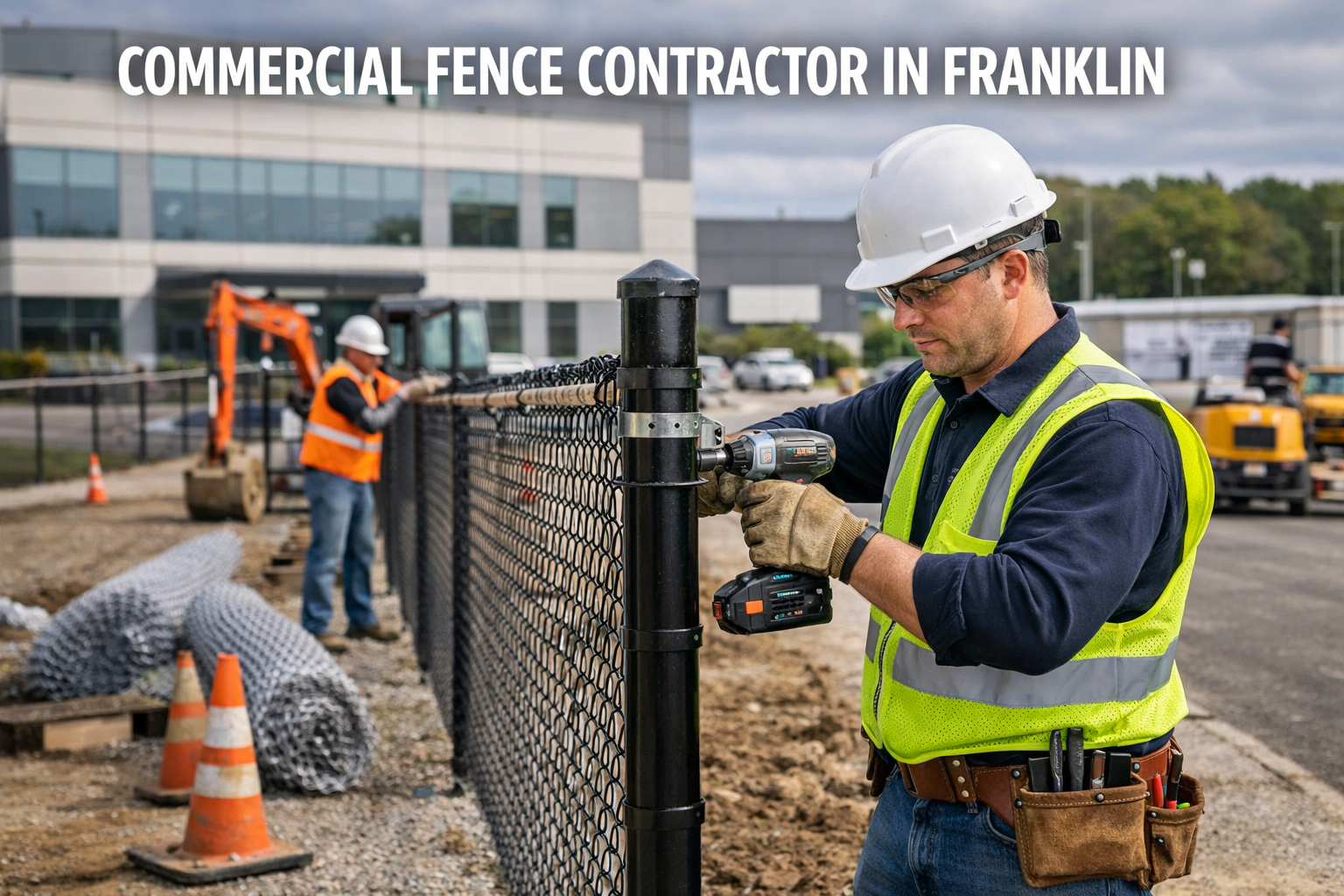
commercial fence contractor in Franklin, TN, will often assess soil type, drainage patterns, and ground compaction before installation even begins. The same approach applies to fence installation, where varying terrain and soil conditions influence how well a fence performs over the years. In this blog, you will read how soil conditions impact fence durability, what ground stability factors matter, and why proper site evaluation ensures long-term performance. Keep reading.
Why Soil Matters More Than Most Property Owners Realize?
When people think about fence durability, they usually focus on the visible parts, materials, height, design, and hardware. But the true foundation of a fence is the soil surrounding its posts. Different soil types behave very differently when exposed to moisture, temperature changes, and heavy loads.
For example:
- Loose sandy soil may struggle to hold fence posts firmly.
- Clay soil can expand and contract with moisture changes.
- Rocky soil may make proper post placement difficult.
A professional approach to
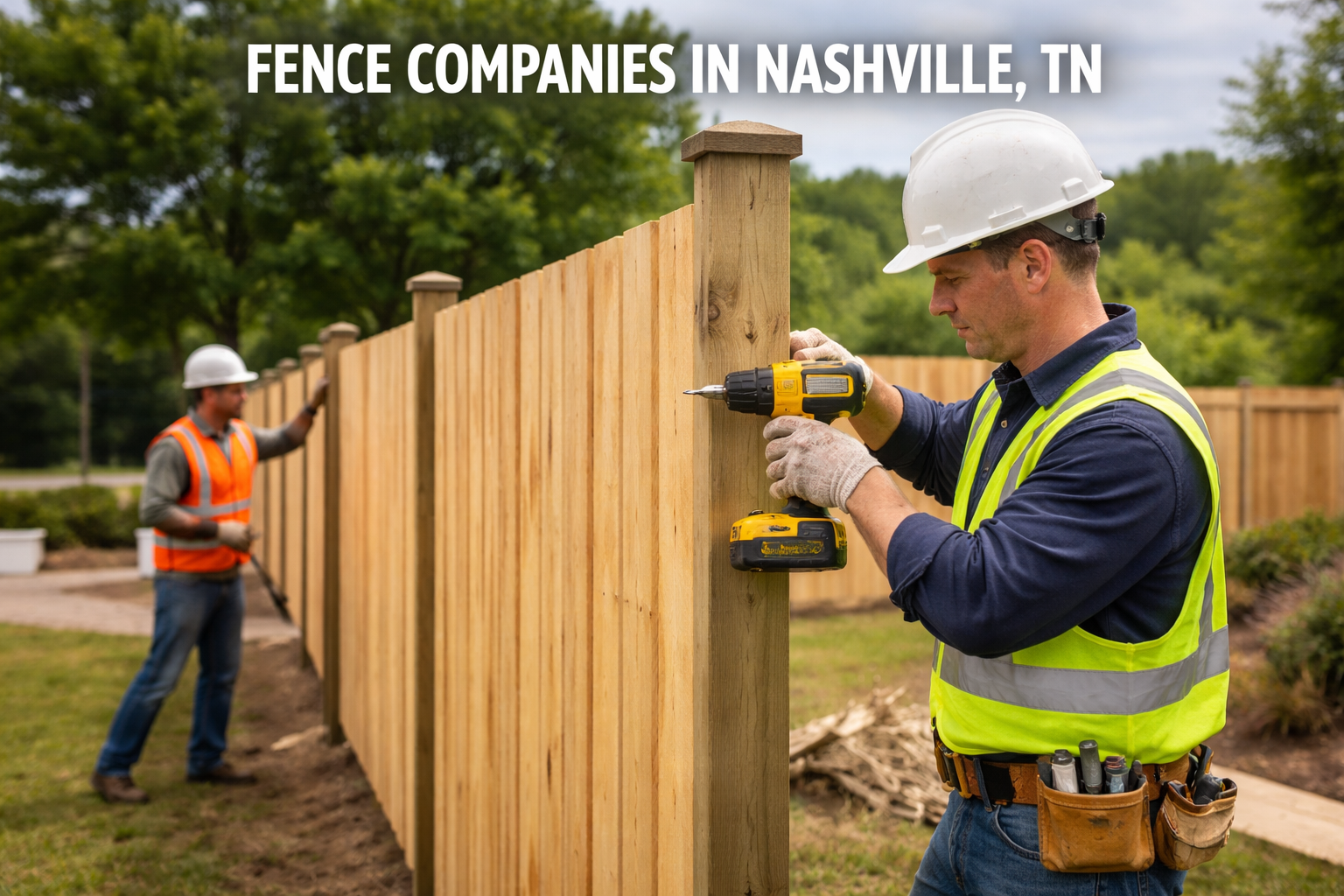
fence installation in Nashville, TN, involves evaluating these soil characteristics before construction begins.
Common Soil Types in the Franklin and Nashville Area
Understanding regional soil conditions is one of the reasons hiring a knowledgeable commercial fence contractor in Franklin, TN matters.
Clay-Heavy Soil
Clay soil is common in Middle Tennessee. It absorbs water easily and expands when wet, then contracts during dry periods.
Impact on fences:
- Posts may slowly shift.
- Soil pressure can loosen footings.
- Seasonal movement may cause leaning.
Sandy Soil
Sandy soil drains quickly but lacks the density needed to support heavy fence posts.
Impact on fences:
- Posts may become unstable.
- Increased risk of shifting during storms.
- Additional reinforcement is often required.
Rocky Soil
Rocky soil can create installation challenges but may provide strong support once posts are properly secured.
Impact on fences:
- More complex installation.
- Specialized tools required.
Greater long-term stability if installed correctly.
How Ground Stability Affects Long-Term Fence Performance?
Even small ground movements can affect a fence over time. Factors that influence soil stability include:
- Heavy rainfall and drainage patterns.
- Seasonal temperature changes.
- Freeze–thaw cycles.
- Construction or excavation nearby.
- Soil compaction levels.
Without proper planning, these forces slowly push and pull against fence posts.
This is why experienced professionals handling
fence installation in Nashville, TN, carefully assess ground stability before installation begins.
Warning Signs That Soil Conditions Are Affecting Your Fence
Many property owners assume fence issues are simply “normal wear and tear.” However, soil movement often causes the earliest signs of damage.
Watch for signs such as:
- Fence posts leaning or tilting.
- Gaps are forming beneath panels.
- Sections are becoming uneven.
- Gates that no longer close properly.
- Posts are loosening after heavy rain.
When these issues appear, the root cause is often the
soil surrounding the fence posts.
How Professional Fence Contractors Address Soil Challenges?
A knowledgeable commercial fence contractor in Franklin, TN, doesn’t just install posts and panels; they evaluate ground conditions and adjust installation methods accordingly.
This may include:
Proper Post Depth
Posts must extend deep enough to reach stable soil layers.
Concrete Footings
Concrete anchors posts securely and minimizes movement.
Soil Compaction Techniques
Compacting soil around posts improves structural support.
Drainage Planning
Proper drainage helps prevent soil expansion and erosion.
Why Commercial Properties Require Extra Soil Considerations?
Commercial fences often carry more structural demands than residential fencing. They may need to support:
- Security systems.
- Heavy gates.
- Increased height.
- High wind exposure.
- Frequent use.
Because of these factors, commercial fencing projects in the region benefit from the expertise of a commercial fence contractor in Franklin, TN who understands both soil conditions and structural requirements.